
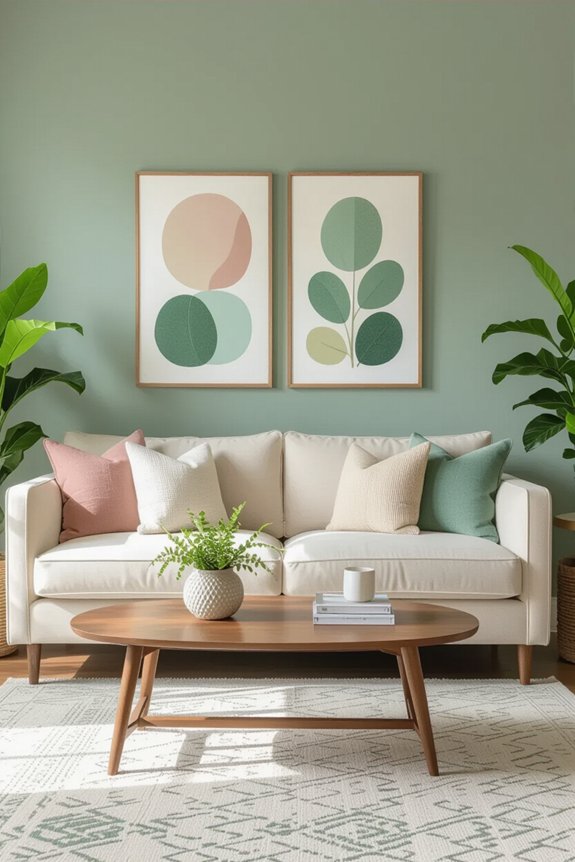
To use color in your home without feeling overwhelmed, start by choosing a balanced palette. Stick to the 60-30-10 rule, where 60% is a main color, 30% is a secondary, and 10% is an accent. Use soft neutrals to ground bright hues, and don’t be afraid of colorful accessories like pillows or art. Remember, lighting can change how colors look, so test samples in different spaces. Excited to learn more tips to make your home shine?
Key Takeaways
- Choose a defined color scheme with main and accent colors to create a cohesive look.
- Apply the 60-30-10 rule for balanced color distribution in your space.
- Use neutrals to ground vibrant hues and maintain a calming atmosphere.
- Incorporate color gradually with accessories like pillows and artwork for easy adjustment.
- Test paint samples in different lighting to ensure colors complement each other harmoniously.
Mastering Color Theory for Home Decor
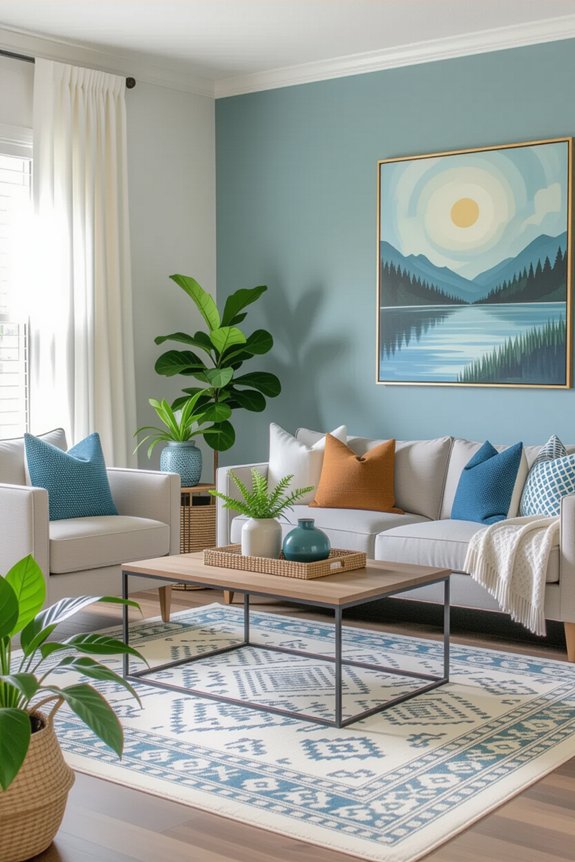
When you plunge into the world of color theory for your home decor, it can feel like stepping into a vibrant treasure chest of possibilities! You’ve got warm colors like reds and yellows that can make your space feel cozy and inviting. On the flip side, cool colors like blues and greens can create a calm and invigorating vibe. Think about how you want to feel in each room. Do you want energy in the living room or serenity in the bedroom? Understanding color relationships is key too—try complementary colors for a bold look or analogous colors for a smooth blend. So, grab your paint swatches and have fun experimenting! Your home’s personality is waiting to shine!
Practical Tips for a Balanced Color Palette
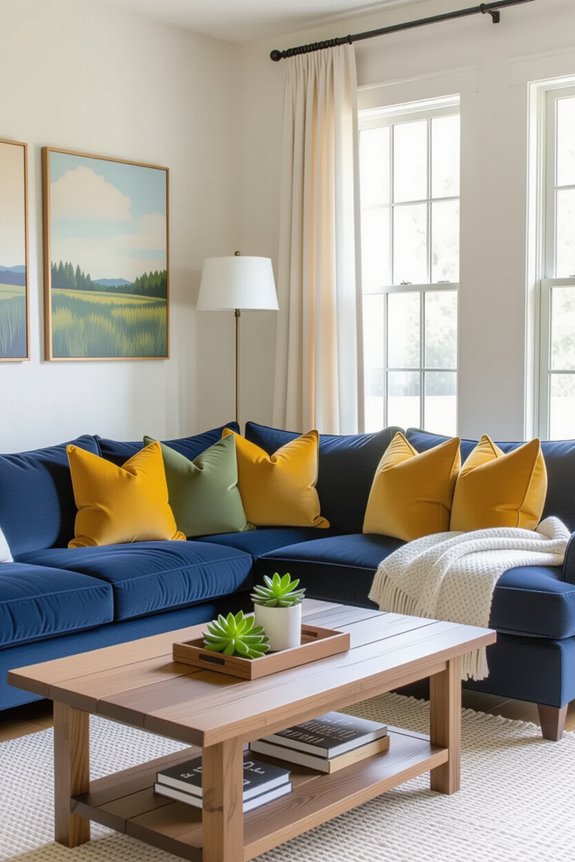
Creating a balanced color palette in your home can feel like crafting a beautiful symphony of shades that harmonize perfectly! You want your space to be inviting, not overwhelming. Here are some practical tips to help you achieve that delightful balance:
- Choose a Color Scheme: Stick to a few main colors and mix in some accents.
- Use the 60-30-10 Rule: Use 60% of a dominant color, 30% a secondary color, and 10% for accents.
- Consider the Room’s Purpose: Bright colors can energize a space, while soft hues promote relaxation.
- Test Samples: Paint swatches on the wall to see how they look in different lighting.
With these tips, you’ll create a cozy, vibrant atmosphere in no time!
How to Use Neutrals to Balance Bold Colors
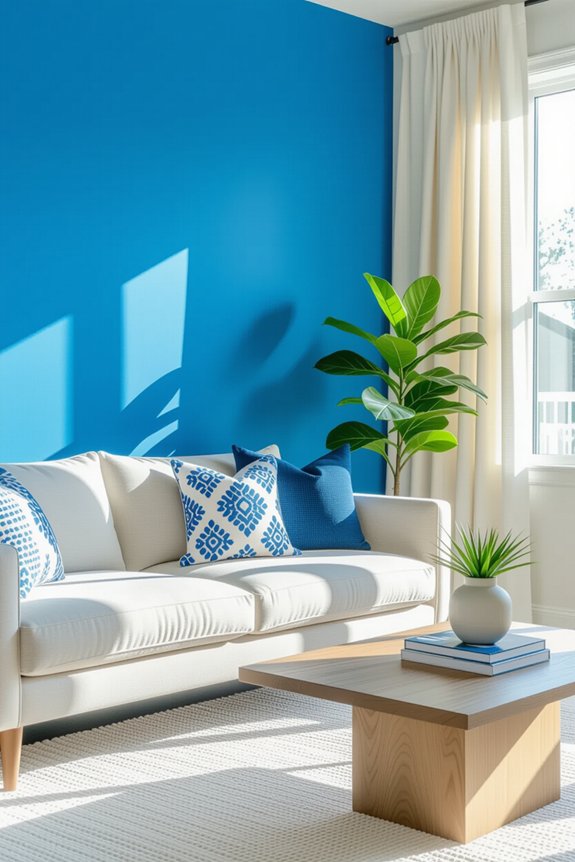
Using neutrals is a fantastic way to balance bold colors in your home, especially if you want to create a space that feels both lively and inviting. Think of neutrals as the friendly sidekick to your vibrant hues. They help to tone down the intensity, making the room feel comfortable and welcoming. For instance, if you’ve got a bright orange sofa, pair it with soft beige or gray walls to keep it from stealing the show. You can also use neutral rugs or curtains to ground the space. Don’t forget about furniture! A light wood table can work wonders. By mixing in these calming shades, you’ll create a harmonious balance that makes everyone feel at home. Happy decorating!
Strategically Incorporating Accent Colors
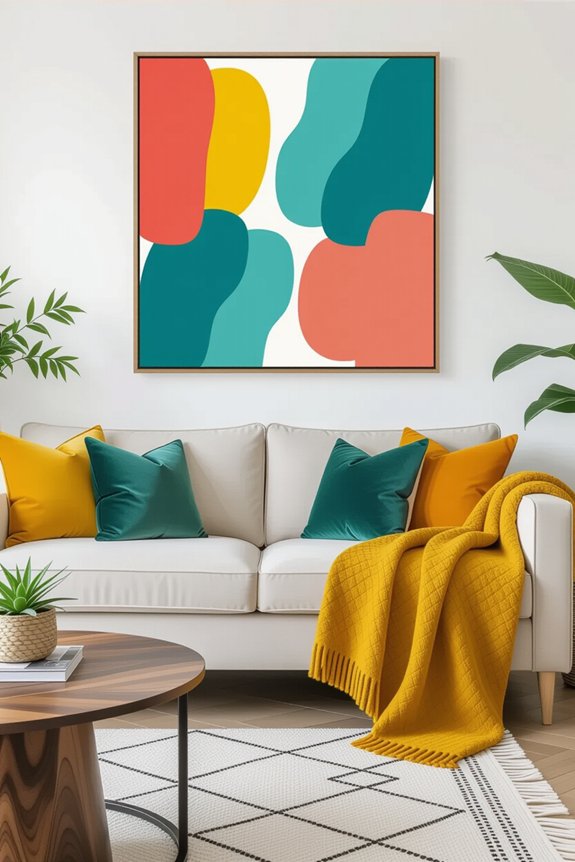
While it might seem tricky to incorporate accent colors, you can easily add pops of personality to your space. Start small and let your creativity shine! Here are some fun ways to do it:
- Throw pillows: Brighten up your couch with colorful cushions.
- Artwork: Hang a vibrant piece that sparks joy and conversation.
- Rugs: Choose a bold rug to anchor the room and add warmth.
- Accessories: Use colorful vases or books to create little focal points.
How Lighting Affects Color Perception
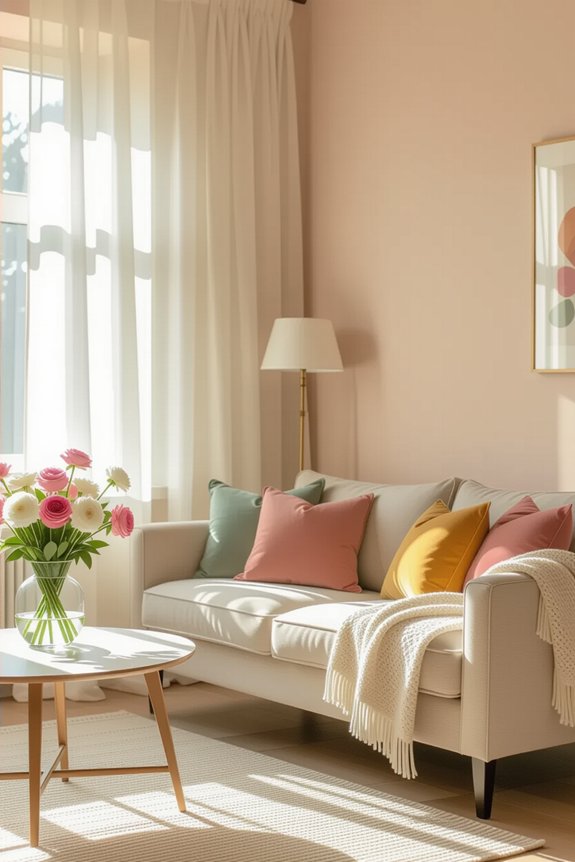
Have you ever noticed how a room can feel completely different depending on the light? That’s because lighting plays a huge role in how we see color. Natural light brings out the true vibrancy of colors, making them pop! On the other hand, warm yellow bulbs can make colors feel cozy and inviting, while cool blue lights can create a calm, serene vibe. If you want to brighten up a dark corner, try using brighter bulbs or even lamps with fun shades. You might be surprised at how a simple change can transform your space! So, experiment with different lighting options and watch how your colors dance and change. You’re on your way to creating a more beautiful home!
Creating Focal Points With Color
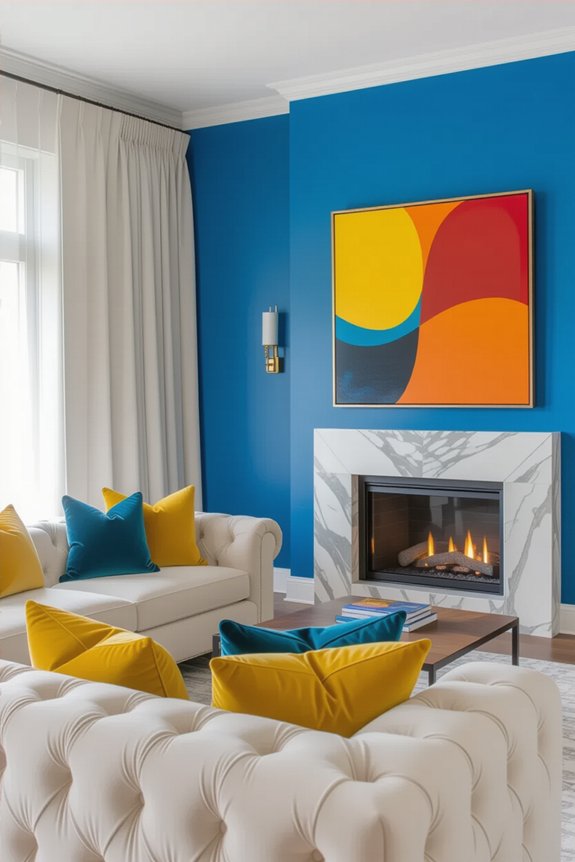
Color can work wonders in your home, especially when it comes to creating focal points that draw the eye and spark joy. You can bring life to any room by choosing vibrant hues for specific areas. Here are some fun ideas to help you get started:
- Accent Walls: A bold color can transform a plain wall into a stunning backdrop.
- Artwork: Bright pieces can catch attention and express your personality.
- Furniture: A colorful chair or table can serve as a playful surprise in a neutral space.
- Accessories: Pops of color in pillows or rugs can tie a room together beautifully.
Color Strategies for Small Spaces: Maximize Impact Without Overwhelm
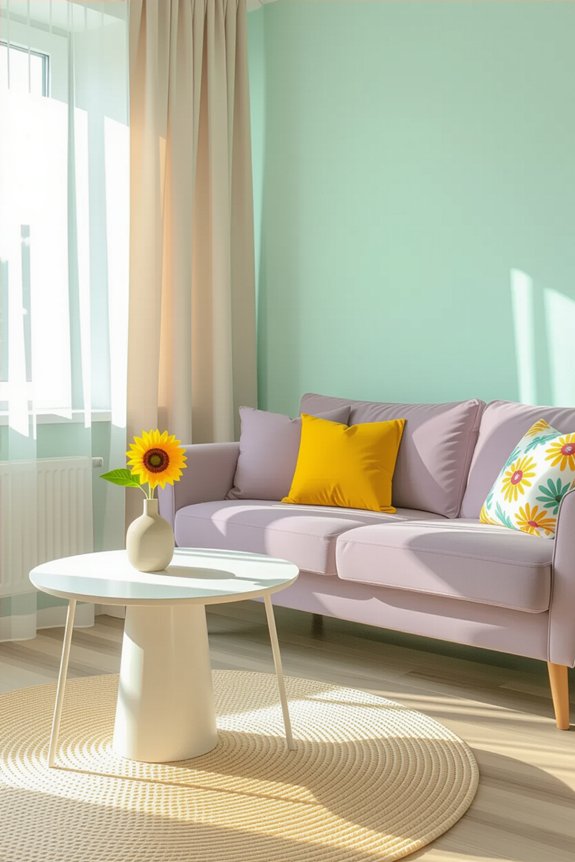
Transforming a small space into a cozy haven can feel like a fun puzzle, and the right colors can be your secret weapon! Start by choosing a light color palette to make the room feel bigger. Soft pastels or fresh whites can create an airy vibe, while a bold accent wall adds personality without crowding. Use colorful accessories like cushions or art to bring in vibrancy—think of them as sprinkles on a cupcake! You can even play with patterns; a small, subtle print can add interest without overwhelming. Finally, don’t forget about lighting. A warm glow can make your colors pop, creating a welcoming atmosphere. Let your creativity flow and watch your small space transform into a delightful retreat!
Color Choices for Every Room
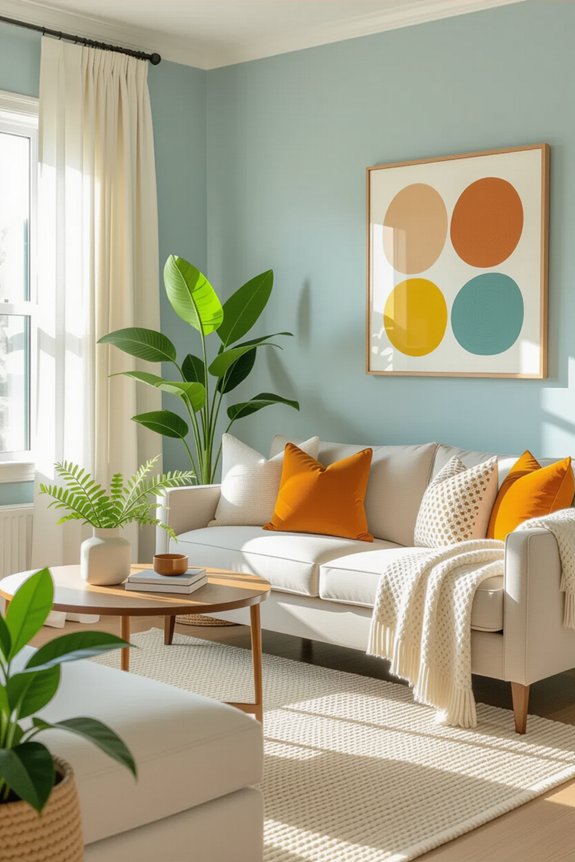
Choosing the right colors for every room in your home can feel like starting a fun adventure! Each space has its own vibe, and the right color can make it truly shine. Here are some great tips to reflect on:
- Living Room: Warm neutrals with pops of color create a cozy atmosphere.
- Bedroom: Soft blues or greens promote relaxation and restful sleep.
- Kitchen: Bright whites or sunny yellows can energize your cooking space.
- Bathroom: Light, airy colors like soft grays or pastel shades make it feel fresh.
Avoid These Common Color Mistakes
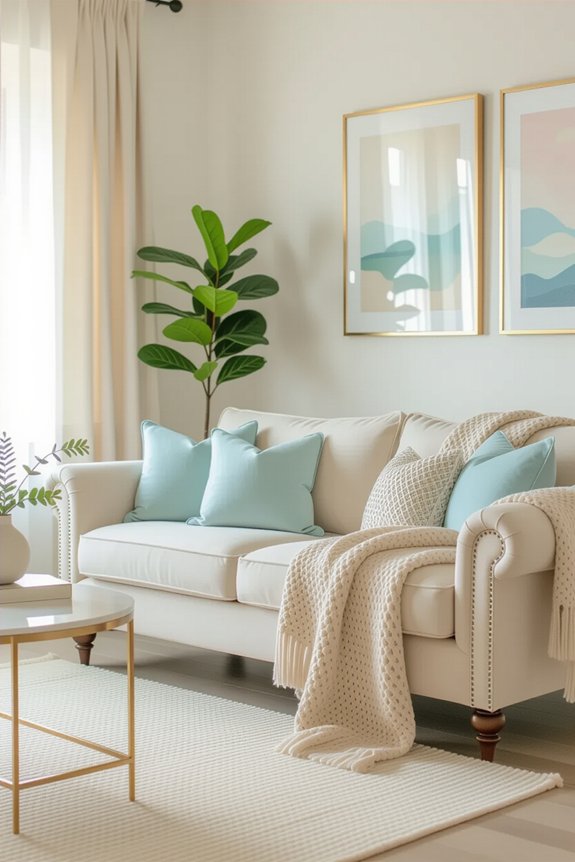
When you’re ready to add color to your home, it’s easy to get caught up in the excitement and overlook some common pitfalls. One mistake is choosing too many bold colors. Instead, pick a few favorites and use them thoughtfully. Another misstep is ignoring the room’s lighting. Colors can look different in natural light versus artificial light, so test samples in various settings. Also, don’t forget about balance. If one wall is a bright hue, consider keeping other walls neutral to avoid a circus vibe. Finally, trust your instincts! If a color feels overwhelming, it probably is. Embrace your unique style, and have fun creating a space that truly reflects you—it’s your home, after all!
Frequently Asked Questions
What Are the Best Colors for a Calming Bedroom Atmosphere?
Soft blues, muted greens, and gentle grays create a calming bedroom atmosphere. These colors promote relaxation and tranquility, helping you unwind after a long day. Consider incorporating them into your decor for a peaceful sanctuary.
How Do I Choose Colors for Open-Concept Spaces?
Choose a cohesive color palette that flows throughout your open-concept space. Stick to two or three main colors, using lighter tones for walls and accenting with bolder shades in decor to create balance and harmony.
Can I Mix Different Styles of Furniture With Bold Colors?
Mixing different styles of furniture with bold colors can be like blending a vibrant painting; it creates harmony. Embrace contrasts, balance with neutrals, and let your unique taste shine without overwhelming the space. Enjoy the process!
What Seasonal Colors Work Best for Home Decor?
For home decor, warm autumn tones like deep oranges and rich browns work beautifully in fall, while soft pastels shine in spring. In summer, vibrant blues and greens create a revitalizing atmosphere, making your space inviting.
How Often Should I Update My Color Scheme?
You should refresh your color scheme every few years. It keeps your space feeling lively and inviting. Trust your instincts; if something feels stale, it’s time to play with new shades and create a vibrant atmosphere.